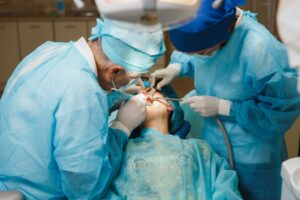
As with any other procedure, dental implant surgery should be approached with the same pre-treatment precautions. A scheduled consultation is necessary to ensure you are in good health, especially since your recovery depends on your ability to heal properly. This is why discussing your medications with your dentist is crucial. If you are taking certain prescriptions, including blood thinners, it can potentially affect the process, including your recovery. Keep reading to learn how.
How Can Blood Thinners Affect the Dental Implant Process?
While you can still receive dental implants when taking blood thinners, it is something your dentist or oral surgeon should know about beforehand.
Since blood thinners make it more difficult for blood to clot, they can be problematic during dental procedures, such as dental implant surgery. The gums must be opened, and the bone must be drilled to create a space for your new prosthetic. As a result, your medication can cause you to bleed excessively if proper precautions are not taken.
How Can Your Dentist Protect You During Surgery?
After consulting with your physician about your condition, they will decide whether you should cease taking your blood thinner medication before your procedure or continue it without any change. The good news is that there are many ways your dentist can stop excessive bleeding during your surgery, including:
- Pre-treatment planning with 3D cone beam scanning and imaging to reduce the number of incisions that may be required.
- More conservative techniques to ensure smaller incisions. This might also include breaking treatment into stages to avoid longer procedures.
- Careful post-procedural assessment by the dental team, evaluating the wound(s) before you leave.
What Should You Know About Recovery While on Blood Thinners?
Recovering from dental implant surgery while on blood thinners requires that you adhere to the following guidelines:
- You will need to check your wound(s) regularly to ensure there is no excessive bleeding occurring. Some mild oozing is normal, but it should only be a small amount.
- You should not spit, rinse vigorously, or sip through a straw, as this will dislodge the blood clot and cause additional bleeding.
- Swelling is normal for a few days, but if it worsens over time, call your dentist’s office right away.
- Stick to a soft food diet to avoid placing additional pressure on the wound(s), as hard foods will irritate the area and cause more bleeding.
- Avoid engaging in strenuous activities that can dislodge the clot, increase your blood pressure, and postpone healing.
You can still expect to enjoy a beautiful new smile with dental implants; talk to your dentist about your current medications to ensure you have a successful experience from start to finish.
About the Author
Dr. Steve Lim is a board-certified prosthodontist in San Jose with more than 25 years of experience helping patients achieve healthier smiles. As one of two dental professionals at Center for Advanced Dentistry, he uses innovative technologies to ensure safer, accurate, and more comfortable treatment. Using a CT/cone beam scanner for implant placement, he can prepare a treatment plan that ensures his patients’ well-being throughout the process. If you are interested in dental implants, visit our website or call (408) 292–2848 to schedule a consultation.