In some situations, it might be necessary for us to perform oral surgery in San Jose to address a certain issue affecting your smile. From wisdom tooth extractions to dental implants, our team can perform numerous surgeries in-house using the latest technology and techniques. To learn more about our available oral surgery procedures and which ones might benefit you, contact our team at the Center for Advanced Dentistry today.
When Is Oral Surgery Needed?
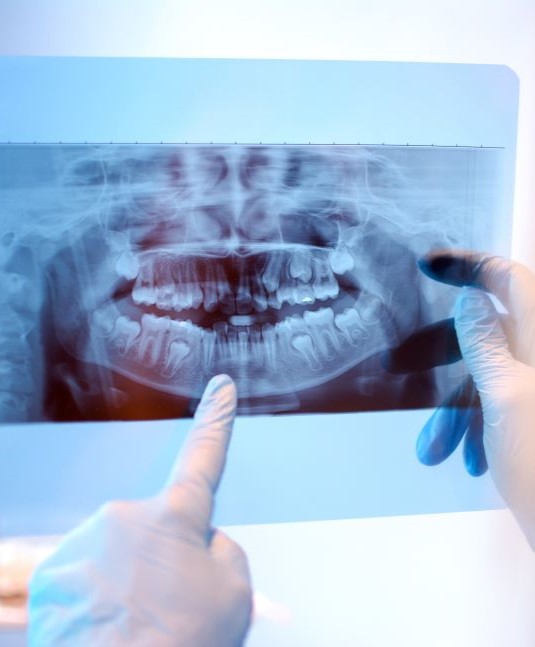
Oral surgery is needed when a patient requires any surgery involving the mouth, teeth, gums, and jaw. Most oral surgery procedures treat damaged, diseased, or infected teeth. Others include the removal of wisdom teeth and bone grafting procedures for dental implants.
The Different Types of Oral Surgery
We’re thrilled to offer a wide range of different oral surgery procedures aimed at tackling a wide range of issues and conditions. Depending on your situation, Dr. Lim and our team might recommend one of the following:
Tooth Extractions
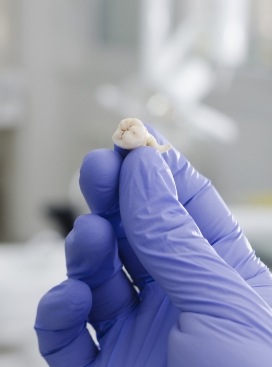
When a tooth cannot be saved with restorative dental treatment, it may need to be removed. Tooth extraction is an oral surgery procedure where the dentist will use a local anesthetic to numb the area around the tooth. The tooth will be gripped with dental forceps and removed from the socket in the jawbone.
Dental Implants
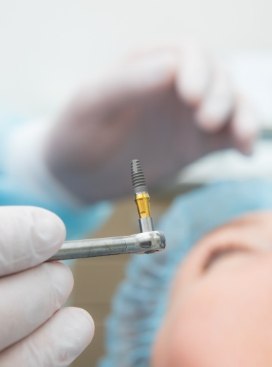
Dentists generally recommend implants for patients who have bone loss in their jawline. Dental implants help restore your smile's shape, function, and aesthetics following tooth loss.
The titanium implant is surgically placed into the jawbone and then allowed to heal. The implant is designed to bond with the jawbone, which creates a secure and long-lasting restoration.
Wisdom Tooth Extractions
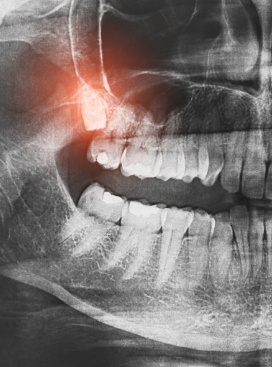
This is a surgical procedure that removes one or more wisdom teeth from your mouth. When wisdom teeth become impacted, they are stuck in your jawbone and gums and can cause pain and infection.
Bone Grafting
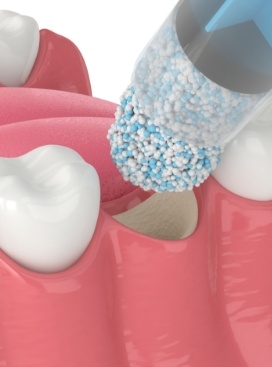
To strengthen weaker parts of the jaw to support dental implants, bone grafting may be used. The graft material can come from your own body or donor tissue. Either way, it is surgically placed into the bone. Over time, the graft material integrates with the surrounding bone to provide better support for the teeth.
Frenectomy
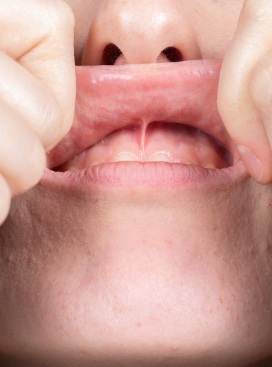
A frenulum is a fold of skin or mucous membrane tissue between two body parts. One connects the lip to the gum and the tongue to the floor of the mouth. Frenectomies are procedures that surgically remove frenulum tissue that prevents the lip or tongue from moving properly.
Ensuring Patient Comfort Through Advanced Sedation
We understand that anxiety about pain or discomfort may cause patients to delay necessary oral surgery, potentially allowing conditions to worsen. At Center for Advanced Dentistry, patient comfort remains our absolute priority throughout every surgical procedure we perform. Our team takes time to address your concerns, explain what to expect, and customize your comfort options based on your anxiety level and the complexity of your treatment.
Our practice offers multiple sedation options carefully tailored to your individual needs and the specific procedure being performed. For minor surgical procedures, local anesthesia combined with nitrous oxide (laughing gas) provides sufficient comfort while allowing you to remain conscious, responsive, and able to communicate with our team throughout treatment.
For more extensive procedures or patients with higher anxiety levels, we offer IV sedation administered by our qualified, sedation-certified team. This deeper level of sedation induces profound relaxation where you remain technically conscious but experience limited awareness and typically have little to no memory of the procedure. Our team continuously monitors your vital signs throughout treatment, ensuring your safety while providing a comfortable, stress-free surgical experience that makes even complex procedures manageable.
Understanding the Full Scope of Oral and Maxillofacial Surgery
Oral and maxillofacial surgery represents a specialized field requiring extensive training beyond dental school, encompassing surgical treatment of conditions affecting the mouth, jaws, face, and neck. An oral and maxillofacial surgeon possesses expertise ranging from routine tooth extractions to complex reconstructive procedures involving bone, soft tissue, and facial structures. This comprehensive training enables treatment of traumatic injuries, congenital defects, pathological conditions, and functional disorders.
Board-certified oral surgeons complete additional years of hospital-based surgical training after dental school, gaining expertise in anesthesia administration, complex surgical techniques, and management of medical complications. This advanced preparation ensures the highest level of surgical competency and patient safety. Dr. Lim’s extensive training and decades of experience provide our San Jose patients with access to this specialized expertise without requiring referral to outside specialists.
The scope of oral and maxillofacial surgery continues to expand with technological advances and refined surgical techniques that improve outcomes and reduce recovery times. Modern oral surgery offices like ours combine traditional surgical skills with digital planning, guided surgery, and regenerative therapies to deliver exceptional results. This integration of proven techniques with innovative technology represents the future of surgical dentistry.
Post-Operative Care and Recovery Guidance
Successful outcomes from oral surgery depend not only on expert surgical technique but also on proper post-operative care and following recovery instructions carefully. After your procedure, we provide detailed written instructions covering pain management, activity restrictions, dietary guidelines, and signs of potential complications requiring immediate attention. Most patients experience manageable discomfort controlled effectively with prescribed or over-the-counter pain medications.
Swelling typically peaks 48-72 hours after surgery before gradually subsiding, and can be minimized through cold compress application and keeping your head elevated. Maintaining good oral hygiene while avoiding the surgical site helps prevent infection and promotes healing. Most patients can return to normal activities within a few days for simple procedures, while more complex surgeries may require longer recovery periods.
We schedule follow-up appointments to monitor your healing progress, remove sutures if necessary, and address any concerns during your recovery. Our team remains available to answer questions and provide guidance throughout your healing process, ensuring you feel supported from initial consultation through complete recovery. Proper post-operative care significantly influences your final outcome and helps prevent complications.
FAQs About Oral Surgery
How long does recovery take after oral surgery procedures?
Recovery time varies significantly depending on the specific procedure and individual healing factors. Simple tooth extractions may require only a few days of limited activity, while wisdom teeth removal typically needs one week of modified routine. Dental implant surgery requires several months for complete osseointegration, though most patients resume normal activities within days of placement. Bone grafting and corrective jaw surgery may involve longer recovery periods with specific activity restrictions.
Will I be in pain during and after my oral surgery?
Modern anesthesia and sedation techniques ensure you feel no pain during your procedure. Post-operative discomfort varies by procedure complexity but is typically well-managed with prescribed pain medications and proper care. Most patients report that actual post-surgical discomfort is less than they anticipated. We provide detailed pain management instructions and remain available to address any concerns during your recovery period.
How do I know if I need bone grafting before dental implants?
Bone grafting becomes necessary when insufficient jawbone volume exists to support and stabilize dental implants properly. Our 3D imaging technology allows precise measurement of your bone dimensions, density, and quality before recommending treatment. Factors indicating potential need for bone grafting include long-term tooth loss, periodontal disease history, facial trauma, or naturally thin jawbone anatomy. Dr. Lim evaluates each case individually to determine if grafting is needed for optimal implant success.
What credentials should I look for in an oral surgeon?
Look for a doctor who completed accredited oral surgery training beyond dental school, ideally with board certification demonstrating advanced competency. Verify completion of a hospital-based residency program, experience with the specific procedure you need, and privileges to perform surgery in accredited facilities. Dr. Lim’s board-certified status and decades of surgical experience provide assurance of the highest level of training and expertise in oral and maxillofacial surgery.
Does insurance cover oral surgery procedures?
Many dental insurance plans provide coverage for medically necessary oral surgery like extractions, treatment of infections, or jaw surgery addressing functional problems. Coverage for dental implants varies by plan, though some policies include partial benefits. Our office works with many dental insurance providers and can verify your coverage, help maximize your benefits, and discuss payment options for any remaining balance to make necessary treatment accessible.