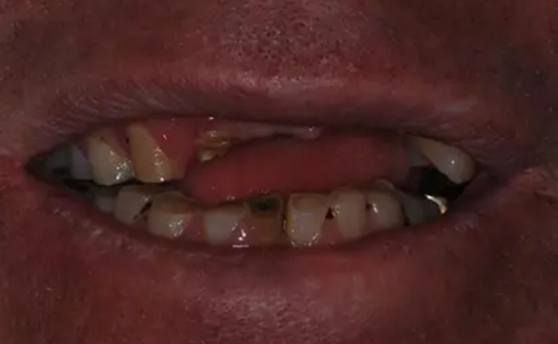
Looking for a permanent solution to replace missing teeth and restore your confident smile? Dr. Steve Lim, our board-certified prosthodontist with over 25 years of experience, specializes in dental implant placement and restoration using state-of-the-art technology to ensure optimal results that look and feel natural.
Why Choose Center for Advanced Dentistry for Dental Implants?
Prosthodontist with 25+ Years of Experience
Next-Level Treatment Planning with CT/Cone Beam Scanner
Start-to-Finish Process Under One Roof
Dental implants are considered the gold standard for tooth replacement, offering unmatched stability, functionality, and aesthetics. At the Center for Advanced Dentistry, we are proud to offer comprehensive dental implant surgery services right here in San Jose, CA. From your initial consultation to final dental restoration, Dr. Lim provides everything under one roof for a seamless, stress-free experience.
Thanks to advancements in the dental implant procedure, we are able to mimic the function of natural tooth roots, preserving jawbone integrity and preventing the shifting of surrounding teeth. Whether you’re missing one tooth, many teeth, or require full arch restoration, we’ll tailor a personalized treatment plan that restores your oral health, confidence, and ability to eat and speak comfortably.
According to the American College of Prosthodontists, over 36 million Americans are missing all of their teeth, and 120 million are missing at least one. With the success rate of dental implant surgery exceeding 95%, more patients are turning to this revolutionary procedure for long-term results.
What Are Dental Implants? The Closest Thing to Natural Teeth
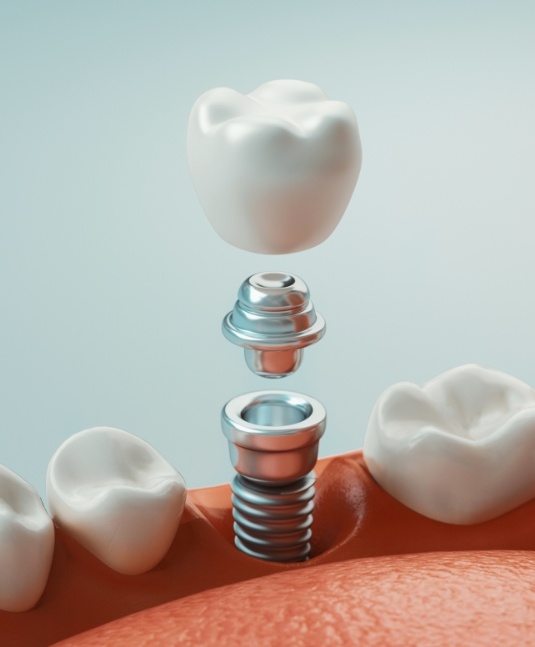
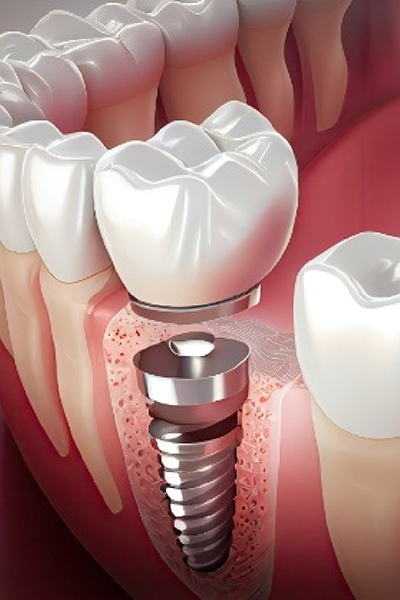
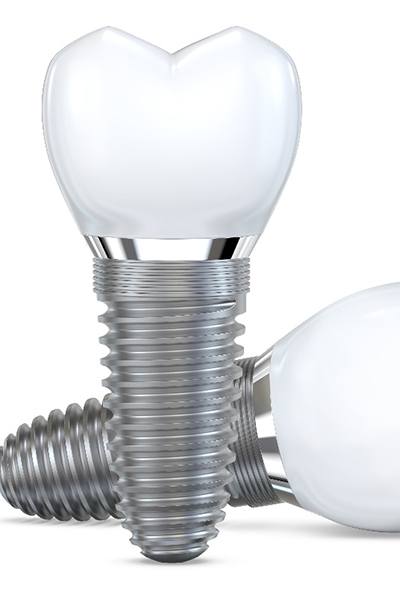
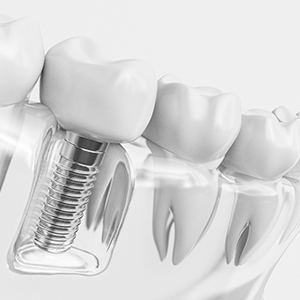
Dental implants are small titanium posts that act as artificial tooth roots. Surgically placed into the upper or lower jaw, they fuse with the bone over time through a process known as osseointegration. This bond provides the foundation for replacement teeth, such as crowns and bridges, or even removable dentures supported by implants.
Unlike traditional dentures, dental implants do not rest on the gums or affect surrounding natural teeth. They stand alone, which helps preserve bone structure and maintain alignment of the surrounding structures. For many patients, this also means eliminating the discomfort and maintenance that often come with wearing traditional dentures.
Because dental implants mimic the stability and function of natural teeth, they allow patients to bite, chew, and speak naturally again, often with a bite force of up to 80–90% compared to their own teeth.
Types of Dental Implant Restorations
Different tooth replacement needs require different implant solutions. At the Center for Advanced Dentistry, our San Jose prosthodontist offers various restoration options to address your specific situation.
Single Tooth Replacements
For individual missing teeth, we create custom-crafted ceramic or porcelain crowns that connect to your implant. These are meticulously designed to match your surrounding teeth in shape, size, and color. The materials used reflect light similarly to natural enamel, creating a seamless blend with your remaining teeth. Since each crown is independently supported by its own implant post, it functions independently without relying on neighboring teeth for support.
Multi-Tooth Bridges
When you’re missing several adjacent teeth, implant-supported bridges provide a fixed, non-removable solution. Unlike traditional bridges that require grinding down healthy adjacent teeth, implant bridges are self-supporting. Typically, we can support a three or four-tooth bridge with just two strategically placed implants, providing exceptional stability while minimizing the number of surgical sites.
The bridge components include the implant posts, connecting abutments, and custom-crafted prosthetic teeth. The restoration is permanently attached, allowing you to brush and maintain it much like natural teeth. Many patients find implant bridges feel more natural and secure than traditional tooth-supported bridges.
Full Arch Solutions
For patients missing most or all teeth in an arch, we offer two primary implant-supported options:
Removable Overdentures
These prosthetics snap securely onto implant attachments but can be removed for cleaning. Typically secured by 2-4 implants per arch, overdentures offer significantly improved stability compared to conventional dentures. The implant attachments can be designed as bars, balls, or magnetic connections, providing a secure fit while allowing for easy removal.
Fixed Full-Arch Prosthetics
Using the innovative All-on-4 or All-on-6 technique, we can create a permanent, non-removable full arch of teeth supported by just four to six strategically placed implants. This eliminates extensive bone grafting, even in patients with significant bone loss. The prosthetic teeth are attached to a reinforced framework that distributes biting forces across all implants, creating a strong, stable solution that never leaves your mouth.
Advanced Dental Implant Techniques for Challenging Cases
Not everyone is initially an ideal candidate for standard implant placement, but advances in dental technology have made implants possible for many patients who were previously told they weren’t candidates.
Bone Augmentation Procedures
When jawbone volume is insufficient for implant placement, we employ various techniques to rebuild adequate support:
Ridge Augmentation
This procedure rebuilds the alveolar ridge, the bone that surrounds the roots of teeth. Using bone graft materials and growth factors, we can restore proper dimensions to areas where bone has receded following tooth loss.
Sinus Lifting
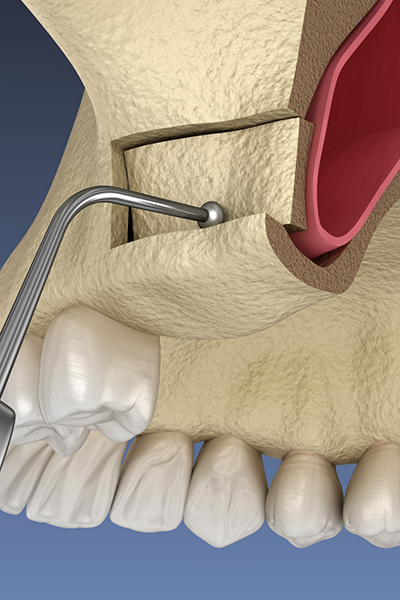
When upper posterior teeth have been missing for some time, the maxillary sinus may expand downward, leaving insufficient bone height for implant placement. A sinus lift procedure gently elevates the sinus membrane and adds bone graft material beneath it, creating adequate space for implant placement.
Socket Preservation
Performed immediately after tooth extraction, this technique places bone graft material into the socket to maintain the ridge dimensions and facilitate future implant placement.
The Benefits of Dental Implants
More Than a Restoration – A Long-Term Solution
Dental implants do more than just replace missing teeth—they help preserve the integrity of your oral health. Unlike other tooth replacement methods, implants stimulate the jawbone just like natural tooth roots, preventing bone loss that can alter facial appearance and weaken surrounding structures.
They also offer superior stability and comfort compared to removable dentures. You won’t have to worry about slipping, adhesives, or avoiding your favorite foods. And with proper care, dental implants can last 20 years or longer, making them one of the most cost-effective options in the long run.
Most importantly, many patients report improved confidence, clearer speech, and an enhanced quality of life after undergoing dental implant surgery.
Dental Implant Success Factors and Candidacy Assessment
Certain systemic conditions require special attention when planning implant treatment:
Diabetes Management
Well-controlled diabetes doesn’t prevent implant placement, but uncontrolled blood sugar levels can impair healing and increase infection risk. We work closely with your physician to ensure optimal management before proceeding.
Cardiovascular Health
Some cardiac medications, particularly anticoagulants, may require modification before surgery. We coordinate with your cardiologist to safely navigate these considerations.
Immune System Function
Conditions affecting immune response may influence healing timelines and success rates. Modified protocols can often accommodate these patients successfully.
Osteoporosis Medication
Certain bone-modifying medications, particularly IV bisphosphonates, may affect bone healing. Alternative approaches may be recommended depending on your medication history.
Lifestyle Factors
Your daily habits significantly impact implant success:
Tobacco Use
Smoking reduces blood flow to oral tissues, dramatically increasing implant failure rates. We strongly recommend quitting at least temporarily during the implant process to improve outcomes.
Oral Hygiene Practices
Commitment to meticulous oral hygiene is essential for long-term implant health. We assess your current hygiene routine and provide personalized guidance for implant care.
Parafunctional Habits
Teeth grinding and clenching (bruxism) can place excessive force on implants. We evaluate these habits and may recommend protective appliances to safeguard your investment.
Comparative Advantages Over Alternative Solutions
Understanding how implants compare to other options helps clarify their value despite the higher initial investment. Bone Preservation Benefits
While other tooth replacement options sit on top of the gums, only implants actively prevent the jawbone deterioration that follows tooth loss:
Prevention of facial collapse: The bone stimulation provided by implants helps maintain facial proportions and prevent the collapsed appearance often seen in long-term denture wearers.
Maintenance of facial muscle tone: By preserving proper jaw dimensions, implants help maintain normal muscle attachments and function, preventing the aging appearance often associated with tooth loss.
Functional Advantages
Implants offer significant improvements in everyday function:
Speech enhancement: Unlike removable prosthetics that can shift during speech, implants are firmly in place, allowing for clear, natural pronunciation without the worry of embarrassing slips.
Taste preservation: Unlike full upper dentures that cover the palate, implant-supported restorations leave the palate exposed, preserving your ability to fully taste and enjoy foods.
Temperature Sensation
Implant restorations transmit temperature sensations more effectively than removable options, enhancing your eating experience. Psychological Benefits
The psychological impact of secure, fixed teeth should not be underestimated. Many denture wearers experience constant anxiety about their teeth becoming loose in social situations. Implants eliminate this concern entirely.
Patients frequently report that implants allow them to feel “whole” again, with teeth that feel like a natural part of themselves rather than an external appliance. The security of knowing your teeth won’t slip or click during conversation often translates to greater social engagement and improved quality of life.
The 4-Step Dental Implant Process From Consultation to New Teeth – Here’s What to Expect
Initial Consultation and Evaluation
Your dental implant journey begins with a detailed dental exam and consultation. We evaluate the gums, jawbone, and oral health through 3D imaging and X-rays to determine if you’re a good candidate. If there’s bone loss, we may recommend bone grafting to ensure there’s enough bone to support the implant post securely.
Dental Implant Surgery
Once you’re ready, we’ll schedule your oral surgery, which is typically performed under local anesthetic. During this stage, the titanium implant post is inserted into the jawbone. For patients needing multiple teeth replaced, we may discuss options such as a full arch restoration or implant implant-supported bridge.
Osseointegration and Abutment Placement
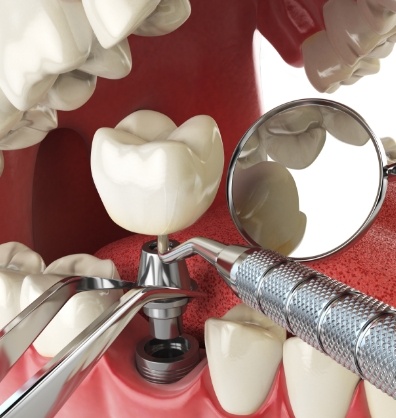
After implant placement, your body begins the natural healing process. Over the next 3–6 months, the bone will grow around the post in a process called osseointegration. Once the gums heal, a small connector called an abutment is attached to the implant post, preparing it to hold your artificial teeth.
Final Restoration
The last step is the placement of your custom restoration—whether it’s a single crown, implant implant-supported bridge, or a denture. These replacement teeth are designed to match the color, shape, and contour of your natural teeth, blending beautifully with your smile.
Understanding the Cost of Dental Implants
How much does it cost to rebuild your smile with dental implants? This question may seem simple enough on the surface, but the truth is that the answer is different for every patient. There are several factors that can have an impact on the cost of dental implants in San Jose, and it’s important to make sure that you’re fully aware of them. Below is an overview of what you need to know about the financial side of getting dental implants.
Preliminary Treatments & Dental Implant Surgery
Any preliminary treatments that are required to prepare your mouth and jaw for dental implants (such as bone grafting and tooth extractions) will come with their own price tag. Rest assured that the added cost is worth it in the long run since these procedures can help ensure that the dental implant process is ultimately successful.
Of course, dental implant surgery carries its own cost. Our practice places implant posts in-office, which makes paying for the procedure more convenient. We’ll make sure that you’re aware of the factors that can influence the cost of the surgery, such as the location of the implant posts.
The Parts of Your Dental Implant
The amount you’ll pay for the actual dental implants depends on the following variables:
The Number of Implant Posts: You only need a single implant post to replace one missing tooth, but if you’ve lost an entire arch of teeth, you might need to pay for four or more implant posts to restore your smile.
The Type of Prosthesis: Dental implants can be used to support crowns, bridges, and dentures. Each type of prosthesis comes with a different cost.
The Brand of Dental Implant: Not all dental implants are exactly the same. There are various brands to choose from that come with different benefits. If you speak to our team, we can tell you more about the dental implant brands we use and the advantages they offer.
How Dental Implants Can Save You Money
Even though dental implants tend to have a higher initial price tag than other forms of tooth replacement, they can still ultimately be a good choice for your bank account. Since dental implants last far longer than traditional bridges and dentures, you likely won’t need to pay to have them replaced as often. On top of that, dental implants are very easy to take care of, which can help lower your risk for potentially costly oral health issues.
Does My Dental Insurance Cover Dental Implants?
You’ll need to review your benefits to confirm how your dental insurance plan handles dental implants. Many insurance providers will not pay for the actual implant posts, but they might offer partial coverage for the final prosthesis as well as certain kinds of preliminary work. Remember that you can always talk to our team if you have any insurance-related questions.
Making Dental Implants Affordable
If you’re worried about the cost of dental implants, our team can help you apply for Cherry Financing. Thanks to this option, you can break up the cost of your care into monthly payments that won’t put as much strain on your budget.
On top of that, we’re proud to offer free implant consultations. If you’re not sure whether dental implants are the best choice for your smile, you can find out at no cost by scheduling a complimentary consultation with our team.
Dental Implant Failure and Salvage
Dental implant failure is rare, but if it happens, it’s important to act quickly to resolve the underlying problem and restore the health of your smile. As soon as you have reason to think that something might be wrong with your implant posts, reach out to our office to schedule an appointment. Our team can identify the true cause of the issue and point you toward the best options for treating it.
Because dental implants require minor oral surgery to replace missing teeth, it’s important to
follow your dental implant post-op instructions in San Jose closely. This helps protect the implant site, keeps you
comfortable as you rest, and supports successful healing. In the days after surgery, you’ll need to be gentle
with the area, manage any side-effects, and make a few short-term changes to your diet and oral hygiene. Use the
guidelines below and call our office with any concerns.
What to Do Directly After Dental Implant Surgery
After your implant placement surgery, the site will begin healing, starting with blood clot formation around the
implant fixture. This clot needs to stay undisturbed so your body can repair the area properly. To protect it, you
should:
Refrain from spitting, whether it’s saliva or mouth rinse.
Avoid drinking through straws.
Stop smoking or vaping for at least 24 to 72 hours.
Avoid using your fingers or tongue to probe the implant site.
Common Side-Effects When Recovering from Dental Implant Placement
Side-effects, especially in the first few days, are common and completely normal. You may experience:
Intermittent Bleeding: Light oozing from the site that slows over 24–48 hours.
Gum Swelling: Mild to moderate puffiness that peaks around day two or three.
Mild Discomfort: Soreness managed well with recommended pain relievers and rest.
These effects can be slightly unpleasant, but they’re usually very manageable and often fade within a few days.
If discomfort increases or persists for over a week, call our office so we can schedule a follow-up.
Your Diet After Dental Implant Surgery
Your diet will be an especially important aspect of your recovery after your dental implant surgery. To avoid
irritation and possible damage to the implant site, you’ll need to focus on warm, soft options such as:
Mashed potatoes
Yogurt
Ice cream
Pudding
Warm soup
Scrambled eggs
Pasta
After a few days, you can slowly reintroduce normal foods but avoid biting into anything overly crunchy or hard. You
should also try your best not to chew directly on the implant sites.
Post-Op Health & Oral Hygiene
Good oral hygiene is crucial while your implant heals, but the area must be treated gently. Continue brushing and
flossing your other teeth as usual, being very careful around the surgical site.
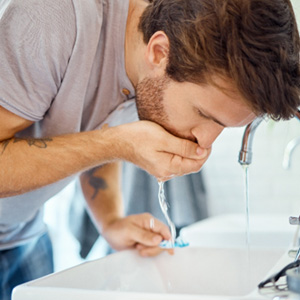
For the first few days, you can rinse lightly with warm salt water several times a day to soothe the area—just
let the liquid fall from your mouth instead of spitting it out. You should also avoid alcohol-based mouthwashes as
they can dry out your mouth and irritate the implant site.
What to Do After Your New Teeth Are Attached
Once your final restorations are attached, you can begin using your new teeth! The hard part is over, and you can
start enjoying all the benefits of your implants, from dietary freedom to improved oral health. No more bleeding,
discomfort, or modified routines. Simply brush and floss as normal and visit our San Jose dental office every six months for checkups
and cleanings.
Dental Implant Success Stories
Real Patients. Real Results.
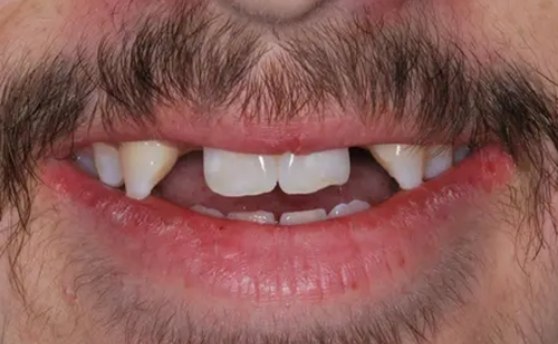
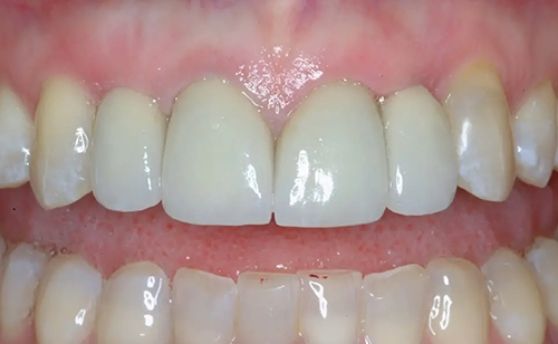
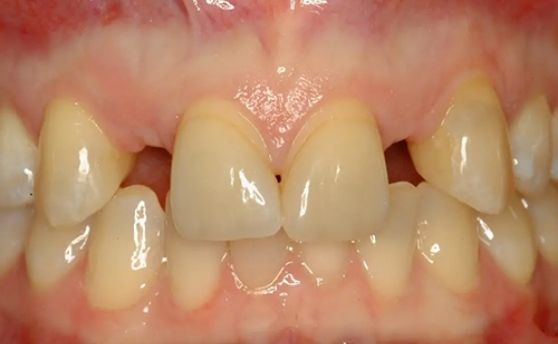
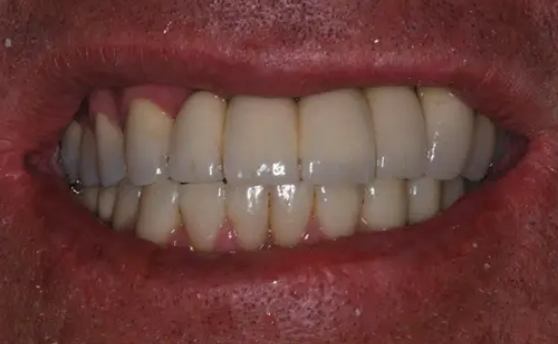
We’ve helped countless individuals across San Jose regain confidence, comfort, and a full smile through dental implants. From single-tooth replacements to All-On-4 dental implants and full-arch transformations, our patients frequently express how life-changing their results have been.
Many say their new teeth feel just like their own teeth, allowing them to laugh, eat, and live without hesitation. If you’re considering dental implants in San Jose, we invite you to schedule a consultation and hear firsthand how this advanced dental procedure has helped others just like you.
The life-changing impact of dental implants is best illustrated through the experiences of our patients. Many have transformed not just their smiles, but their confidence and quality of life after receiving dental implants at our San Jose practice.
Dental Implant FAQs
How Long Do Dental Implants Last?
When properly taken care of, dental implants can last for 30 years or more! To “properly” maintain them, we recommend brushing your teeth twice daily, flossing at least once per day, and scheduling a checkup and cleaning every six months.
The greatest risk to dental implants is actually gum disease caused by bacteria accumulation. Gum disease can weaken your gums as it progresses, causing your dental implants to fall out. So it’s important to have a good oral hygiene routine to help them stand the test of time!
Are Dental Implants Safe?
Dental implants have a 95% success rate and are considered safe for most patients. Certain oral conditions (like gum disease) can cause complications during treatment, however, so your restoration team will carefully review your health history and examine your mouth during your initial consultation.
Some patients wonder whether it’s a good idea to anchor metal posts to their jawbone. You can rest assured that because of the biocompatible materials, your jawbone can safely integrate with the implant posts. Actually, this design mirrors how natural teeth connect to your jaw with dental roots!
Will People Be Able to Tell That I Have Dental Implants?
Part of the reason so many patients love their dental implants is that they’re nearly identical to natural teeth. To help ensure they seamlessly blend into your smile, we’ll take impressions of your mouth and work with you to carefully select the best shade for your implant crowns. The impressions allow us to calculate the ideal placement for each implant, and with precise color-matching, we can custom-craft the details for a stunning restoration.
How Long Have Dental Implants Been Around?
The earliest archeological evidence of dental implant attempts dates back to 600 A.D. However, dental implants as we know them today didn’t come into prominence until the 1970’s. It took some time for professionals to feel comfortable enough with Dr. Per-Ingvar Brånemark’s discovery.
“What discovery?” you might ask.
All the way back in 1952, Dr. Brånemark found that bones will completely fuse with titanium. The implications for prosthetics were huge, and the good doctor got to work developing what we now know as dental implants. His ingenious invention has been successfully restoring patient’s smiles since his very first triumphant human placement in 1965. That means there’s plenty of documented cases attesting to the effectiveness of dental implants!
Visit Us
Our office is strategically positioned in San Jose, CA, along North Bascom Avenue, offering easy connectivity to major transportation routes and centrally accessible from neighboring communities. The suite is housed within a professional complex with convenient parking options and straightforward building navigation for visitors.